Why is my beauty blender molding? This question often plagues beauty enthusiasts. Expert makeup artist Sarah Thompson shares her insights. "A clean beauty blender is essential for flawless application," she advises.
Mold can develop when sponges are damp and stored improperly. The moisture creates an environment for bacteria and mold growth. Regular cleaning is crucial. Use a gentle cleanser designed for sponges to maintain hygiene. Also, make sure to air dry them thoroughly.
Improper care can lead to product breakdown and skin irritation. Understanding the signs of mold can save you from serious skin issues. Trust your instincts—if it smells off or looks unusual, it's time to replace it. Don’t let mold ruin your beauty routine.
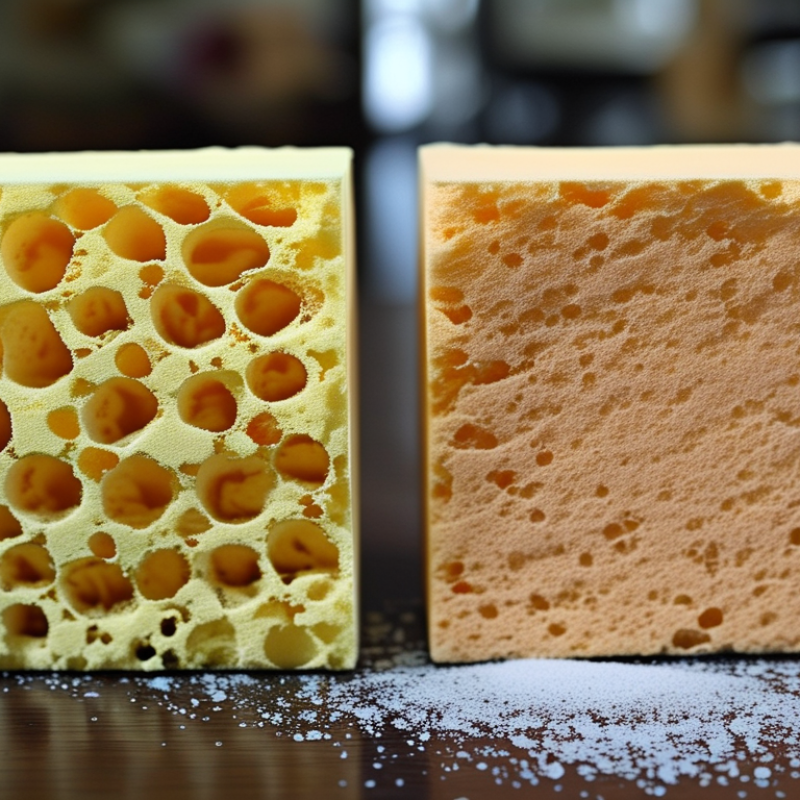
Mold growth on beauty blenders is a common issue, often caused by moisture and improper cleaning. These sponges absorb water and makeup residue, creating an ideal environment for mold. When stored in humid spaces or left damp, they quickly become breeding grounds for bacteria and fungus.
To prevent mold growth, ensure your sponge dries completely after each use. Squeeze out excess water and place it in a well-ventilated area. Regularly clean your beauty blender with a gentle cleanser to remove buildup. A thorough cleaning routine can help avoid mold and extend its lifespan.
Also, consider replacing your beauty blender regularly. Even with proper care, these sponges can harbor microorganisms over time. Take note of any strange smells or discoloration. These signs indicate that mold may be present. Always be proactive about hygiene to keep your beauty blender safe for use.
| Causes of Mold Growth | Description | Prevention Tips |
|---|---|---|
| Excess Moisture | Beauty Blenders retain moisture which can create a breeding ground for mold. | Always dry your Beauty Blender completely after use. |
| Improper Storage | Keeping the sponge in a closed, damp area can trap moisture. | Store in a breathable, dry environment away from humidity. |
| Dirty Sponges | Makeup residue and oils can promote mold growth on sponges. | Clean your Beauty Blender regularly with soap and water. |
| Using for Too Long | Old sponges may harbor mold and bacteria. | Replace your Beauty Blender every 3-6 months to reduce risk. |
Moisture and temperature are key players in mold development on beauty sponges. High humidity provides an ideal environment for mold spores to thrive. When beauty blenders are stored away wet, they invite mold growth. This is concerning as mold can lead to skin irritations and infections.
In addition to moisture, temperature plays a crucial role. Warm, humid areas accelerate mold growth. Leaving your beauty blender in a warm bathroom or on a sunny windowsill can lead to problems. It's essential to dry your sponge completely before storage. A cool, dry space is best.
Regular cleaning is vital to prevent mold. Use a gentle soap and ensure thorough rinsing. Even with care, mold can appear from time to time. If that happens, reflecting on your storage habits is important. Make changes to keep your beauty tools safe and mold-free.
To keep your beauty blender in optimal condition, regular cleaning is crucial. Makeup sponges can harbor bacteria if not maintained properly. Studies have shown that unclean sponges can have a bacterial load comparable to that of a kitchen sponge, which is often a hotbed for germs. A dirty beauty blender can lead to skin irritations or breakouts, diminishing its functionality.
Using the right cleaning method makes a significant difference. Gently wash your beauty blender with a mixture of lukewarm water and mild soap or a designated sponge cleanser. A study from the Journal of Cosmetic Dermatology indicated that using proper detergents reduces bacteria by up to 99% in cosmetic tools. Allow it to air dry on a clean surface. Harsh chemicals can degrade the material, leading to premature molding.
Storage plays a role too. Avoid keeping your beauty blender in airtight containers. These can trap moisture, creating the perfect environment for mold. Instead, opt for a breathable pouch or stand. Remember, a beauty blender’s lifespan is limited, and replacing it every few months is advisable. Reflect on your routine and consider how often you neglect cleaning it. Your skin deserves better than a contaminated applicator.
This chart represents the ideal cleaning frequency of beauty blenders based on user reviews and best practices. Regular cleaning helps prevent molding and ensures better hygiene during makeup application.
When using a Beauty Blender, it's essential to recognize the signs of mold growth. A moldy sponge can pose risks to your skin. A study from the Journal of Applied Microbiology found that damp environments foster bacteria and mold, especially in makeup tools. Discoloration, often turning green or black, is a key symptom. If you notice a slimy texture, that’s another warning sign. These changes can occur if the sponge remains wet for too long.
According to the American Academy of Dermatology, using a moldy sponge may lead to skin irritations or infections. Redness, itching, or rashes are common reactions. Research suggests that sponges retain moisture, creating an ideal breeding ground for microbes. Cleaning your blender regularly is vital. Ideally, wash it after each use to remove any makeup residue and moisture. It’s not enough to rinse it; a clean, antibacterial soap can minimize bacterial growth effectively. Trust your instincts—if it smells off or looks unusual, it’s time to replace it.
Mold formation on your Beauty Blender can be a frustrating problem. Proper storage is crucial to keep it clean and safe. According to a study by the American Society for Microbiology, beauty sponges can harbor harmful bacteria if not stored correctly. Mold thrives in damp, dark places, making your bathroom a perfect breeding ground.
To prevent mold, consider these storage solutions. First, use a breathable container. A mesh bag or a ventilated makeup organizer allows airflow, keeping moisture at bay. Avoid airtight containers; they trap humidity. After each use, rinse the sponge thoroughly and squeeze out excess water. Leave it in an open area to dry completely.
Here are some quick tips: store your Beauty Blender in a dry and bright area. Regularly inspect for any signs of mold or unpleasant odors. If you notice anything unusual, replace it promptly. Cleaning it with antibacterial soap weekly can help reduce bacteria and mold risk. Your skin deserves the best care, so treat your tools right.
: Mold thrives in high humidity and warm temperatures. Storing wet sponges promotes mold.
Always dry your sponge before storage. Use a cool, dry space to keep it safe.
You should clean it regularly, ideally after each use. This removes moisture and makeup residue.
Look for discoloration, slimy texture, or an unusual smell. These indicate mold growth.
Yes, it can lead to skin irritations, redness, or infections. Be cautious with usage.
Use lukewarm water and mild soap. Rinse thoroughly and let it air dry on a clean surface.
No, airtight containers trap moisture. Use a breathable pouch or stand for storage instead.
If it shows signs of mold or has been used for several months, consider replacing it.
No, harsh chemicals can damage the sponge material and promote mold growth.
Rinsing isn't enough. You need to clean it with antibacterial soap for effective maintenance.
If you're wondering why is my beauty blender molding, it's essential to understand the primary causes of mold growth on these popular makeup applicators. Mold thrives in warm, moist environments, making the combination of humidity and improper storage conditions a perfect breeding ground for fungal growth. To prevent this issue, adopting best practices for cleaning and maintaining your beauty blender is crucial. Regularly washing it with a gentle cleanser and allowing it to dry fully after each use can significantly reduce the chances of mold forming.
Additionally, it's important to recognize the signs and symptoms of a moldy beauty blender, such as an off odor or discoloration. Proper storage solutions, like keeping your beauty blender in a breathable container or a cool, dry place, can further minimize mold risk. By following these guidelines, you can ensure your beauty blender remains clean and safe for use, avoiding the frustrating question of why is my beauty blender molding in the first place.

Hotty Beauty