Makeup sponges are essential tools in the beauty industry. They help in achieving a flawless look. However, many users often overlook their cleaning routine. This brings us to the critical question: how often should you wash makeup sponges? The American Academy of Dermatology recommends washing sponges after every use for optimal hygiene. This ensures that bacteria do not build up, which can lead to skin irritation or infections.
A study by the American Journal of Infection Control revealed that unwashed sponges harbor harmful bacteria. These can proliferate rapidly if left uncleaned. Many makeup enthusiasts, however, only clean their sponges weekly, unaware of the risks. This gap in practice highlights a need for greater awareness. Regular cleaning not only promotes skin health but also improves application results. By neglecting sponge hygiene, you might be undermining your beauty routine.
Understanding the importance of this practice is vital. Most users wish for a smooth, even application. Yet, the dirty sponge may cause uneven results. Therefore, staying informed and adjusting your cleaning habits can make a significant difference in both your skin health and makeup finish.
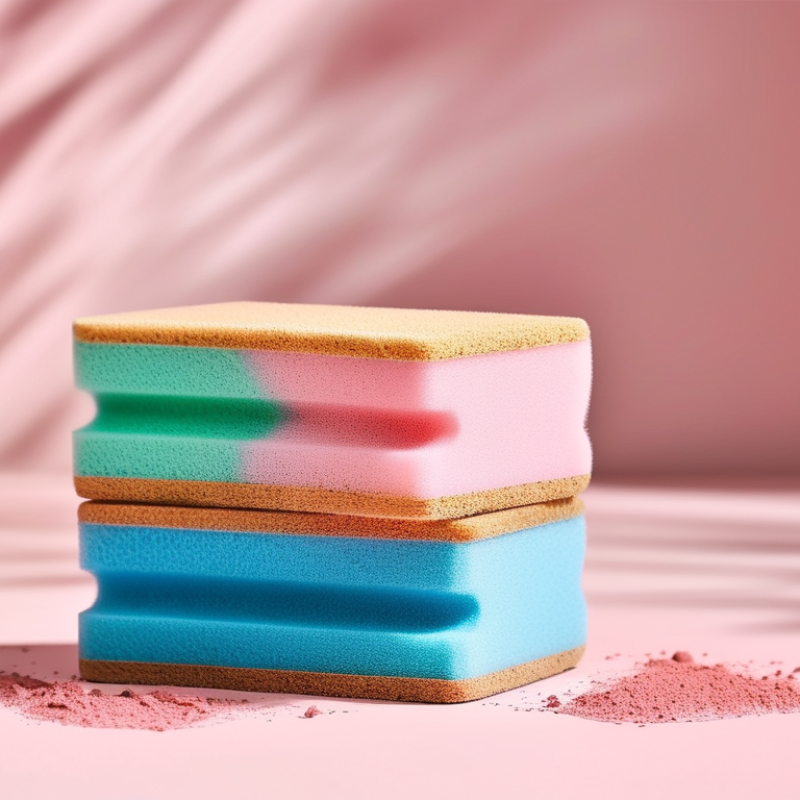
Makeup sponges are essential tools for achieving a flawless look. However, many users neglect the hygiene aspect of these sponges. Cleaning them regularly is crucial for maintaining skin health. Bacteria thrive on leftover makeup and moisture, leading to breakouts or irritations.
Experts recommend washing sponges every one to two uses. It's easy to forget, but this small step makes a significant difference. Use lukewarm water and gentle soap to eliminate product buildup. Rinse thoroughly until the water runs clear. Even with proper care, sponges wear out over time. Assess their condition frequently; if they are torn or discolored, consider replacing them.
Sometimes, the rush to apply makeup overshadows the cleaning routines. It's a common mistake. Setting a schedule can help improve hygiene habits. Keep in mind that dirty sponges can lead to uneven application too. Reflect on your routine and prioritize these simple steps to enhance your skin’s health and appearance.
Dirty makeup sponges can be a breeding ground for bacteria. When you use unclean sponges, your skin takes the hit. Clogged pores and breakouts often follow. The buildup of makeup residue and oils makes it hard to achieve a flawless look. Your application will suffer, leaving streaks and uneven coverage.
To keep your skin healthy, wash your sponges regularly. Aim for at least once a week. Warm soapy water can do wonders. Rinse them thoroughly to avoid soap residue. Allow them to air dry completely. This simple habit not only enhances the lifespan of your sponges but also boosts your makeup's performance.
Consider your skin type and individual needs. Some people may need to clean their sponges more often. If you have oily or acne-prone skin, cleanliness is crucial. Reflect on your routine to identify what works best for you. Keeping your sponges clean is a vital step in achieving beautiful makeup and healthy skin.
When it comes to cleaning makeup sponges, experts unanimously agree on the importance of regular maintenance. According to a study by the Journal of Cosmetic Science, sponges can harbor harmful bacteria if not cleaned properly. Frequent cleaning can reduce this risk significantly. It’s recommended to wash sponges after every use to prevent skin irritation and acne breakouts. A simple soap solution is often sufficient.
To ensure optimal results, use a cleansing solution tailored for sponges. Rinsing them thoroughly after cleaning is crucial to eliminate residue. Additionally, consider replacing your sponges every three months to maintain their effectiveness. The Centers for Disease Control and Prevention (CDC) indicates that frequent cleaning impacts overall skin health positively.
Here's a tip: Allow your sponges to air dry completely. This helps prevent mold and bacteria growth. If your sponge shows signs of wear or fading color, it may be time to reconsider how frequently you’re cleaning it. Regular upkeep not only extends the life of your makeup tools but also ensures a flawless application every time.
| Frequency of Cleaning | Recommended For | Cleaning Method | Drying Tips |
|---|---|---|---|
| After Every Use | Professional Makeup Artists | Use soap and water or a cleanser | Air dry completely before next use |
| Weekly | Casual Users | Soak in warm, soapy water | Place on a clean towel |
| Every 2-3 Weeks | Occasional Users | Use a makeup brush cleaner | Lay flat to dry |
| Monthly | Minimal Makeup Users | Deep clean with alcohol | Store in a breathable pouch |
Makeup sponges can hold a surprising amount of bacteria. When you apply foundation or concealer, you transfer oils and dead skin cells onto these tools. This creates a perfect environment for microbes to thrive. Studies show that unwashed sponges can contain harmful bacteria like Staphylococcus and E. coli, which may lead to skin issues.
Regular cleaning is essential for maintaining your skin's health. Experts recommend washing your makeup sponges at least once a week. This simple habit reduces bacteria buildup. It also extends the life of your sponges, ensuring better application of your makeup. However, many users might forget this step, resulting in an unintentional buildup of bacteria over time.
It's easy to overlook how sponges can harbor germs. A sponge that feels clean may still be a breeding ground for bacteria. Understanding this helps highlight the importance of proper maintenance. While it may seem like a minor task, the impact on skin health is significant. Make it a routine to wash your sponges regularly for better results.
Makeup sponges are essential tools for achieving a flawless look. However, they can harbor bacteria if not cleaned properly. Regular maintenance is key to ensuring their longevity and effectiveness. Keeping sponges in top shape can improve your makeup application and skin health.
To clean your makeup sponges effectively, rinse them under lukewarm water. Use a gentle cleanser or soap to remove makeup residues. Be thorough, but don’t be afraid to spend extra time in this step. Residues can hide in porous areas. After rinsing, squeeze out excess water and allow the sponge to air dry. This may take time, but it’s crucial. Never store wet sponges in closed containers. It encourages mold growth.
Tips for maintenance: clean sponges after each use if possible. If time is tight, aim for at least once a week. Pay attention to any signs of wear, such as discoloration or a lingering smell. Sometimes, it's worth reflecting on whether a sponge needs replacing instead of just cleaning it. A worn-out sponge won't blend as well, leading to uneven application. Your makeup deserves better!
: Wash your makeup sponges every one to two uses for optimal hygiene.
Dirty sponges can harbor bacteria, causing breakouts and skin irritations.
Rinse under lukewarm water, use gentle soap, and remove all makeup residues thoroughly.
Replace your sponge if it is worn out; it won't blend makeup properly.
No, storing wet sponges in closed containers encourages mold growth.
Yes, cleaning sponges after each use is ideal, but aim for at least weekly cleaning.
Air drying may take time, but it is necessary to prevent bacteria growth.
Check for discoloration, smell, or signs of wear indicating a need for replacement.
A dirty sponge can lead to uneven application and may affect your overall look.
Reflecting helps improve hygiene habits and ensures better skin health and makeup application.
Maintaining optimal hygiene with your makeup sponges is crucial for both skin health and effective makeup application. The question of "how often should you wash makeup sponges" is common, and experts recommend cleaning them at least once a week to prevent the buildup of bacteria that can lead to skin issues. Dirty sponges not only harbor harmful microorganisms but can also negatively affect the blending and overall finish of your makeup.
The science behind bacteria growth on makeup tools highlights the importance of regular cleaning. By following best practices for cleaning and maintaining your makeup sponges, you can ensure they remain in excellent condition, ultimately enhancing your beauty routine. Regular maintenance not only extends the life of your sponges but also promotes healthier skin, making it a vital aspect of your cosmetic care.

Hotty Beauty